
Best Quality Non Prescription Reading Glasses
Looking for the best quality non prescription reading glasses for everyday reading? This collection features ready-to-wear, full-lens readers for women and men. Compare frame materials, hinge types, lens details and measurements on every product page, then pick the reading strength that feels right. No prescription is needed to order.


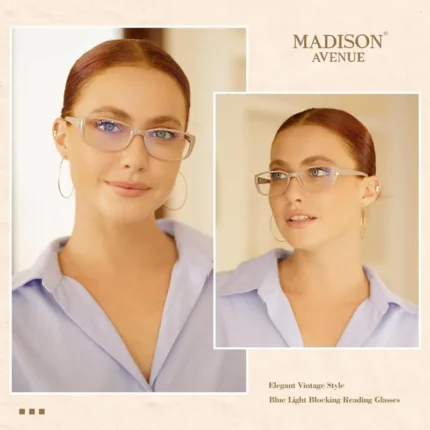


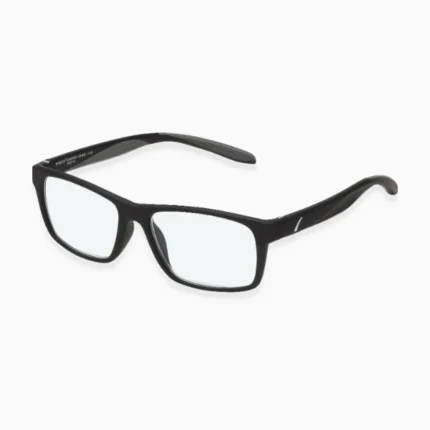
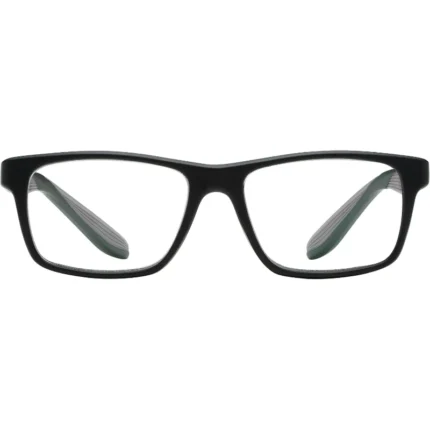
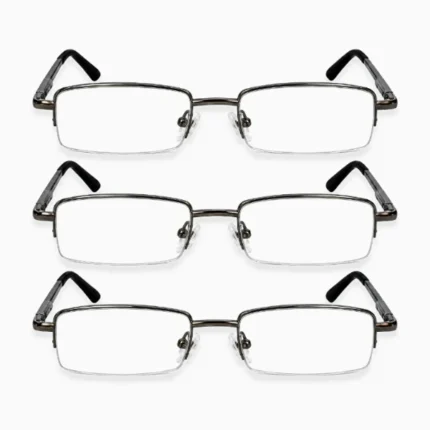

Ready-made full-lens reading glasses
Non-prescription reading glasses, also called readers or over-the-counter readers, have the same magnification across the entire lens. They are made for people whose eyes need a little help focusing up close, often after age 40, and who see clearly at a distance. Because the whole lens magnifies, you get a wide, comfortable reading area for books, menus, labels and phones.
What to look for in quality reading glasses
Instead of making broad claims, we list the details that matter so you can compare frames yourself.
Frame material
Product pages state whether a frame is made from acetate, plastic, metal or a combination. Acetate frames have depth and rich color. Metal frames tend to be light and slim.
Hinges
Some frames use spring hinges that flex outward for a more forgiving fit. When a frame has spring hinges, the product page says so.
Lens information
Check the lens material and any coatings, such as anti-glare or scratch resistance, listed in the lens information section.
Measurements
Lens width, bridge width and temple length are listed in millimeters. Compare them with glasses that already fit you well.
Choosing a reading strength
Most people choose a strength between +1.00 and +3.00. Lower strengths suit early presbyopia and computer work, and higher strengths suit smaller print. Our reading glasses strength guide walks you through it. If your eyes need different strengths, or you have astigmatism, ask an eye care professional about prescription glasses.
Related collections
Want to look up without taking your glasses off? Try bifocal reading glasses clear on top or progressive readers. Spend a lot of time on screens? See reading glasses with blue light filter.
Frequently Asked Questions
Do I need a prescription to buy reading glasses?
No. Non-prescription reading glasses are sold over the counter in set strengths, such as +1.50 or +2.00. They are meant for people who need help seeing up close and have similar vision in both eyes. Regular eye exams are still recommended to check your overall eye health.
How can I tell if a pair of reading glasses is good quality?
Compare the frame material, hinge type, lens coatings and measurements. Every product page in this collection lists those details. A frame that fits your face well and uses durable hinges will usually be more comfortable to wear every day.
What is the difference between readers and prescription glasses?
Readers have the same magnification in both lenses and only help with close-up vision. Prescription glasses are made to your exact measurements and can correct different strengths in each eye, astigmatism and distance vision. If readers don't feel right, see an eye care professional.
What reading glasses strength do most people need?
Strength needs vary with age and eyesight. Many people start between +1.00 and +1.50 in their 40s and move to higher strengths over time. Use our reading glasses strength guide to find a starting point, and choose the lowest strength that lets you read comfortably.
Are these reading glasses for men or women?
Both. The collection includes styles designed for men, styles designed for women and unisex frames. Filter by gender, frame shape, color and material to find the right match.